
Abba Pachomious, like so many other men and women dissatisfied with the laxity of the Christian world around them, sought refuge for his soul in the desert. But it probably didn’t take him long to realize that not everyone was cut out to live in such harsh conditions alone. This is especially true for ladies who could be sexual victims of bandits. For everyone, water was hard to come by, food had to be grown or gathered. Some reasonable deterent had to be developed against a practical as well as spiritual enemy, and there had to be some sort of common rule or unifying frame of mind to keep a well functioning brootherood (or sisterhood). Out of these necesities, cenobitic monasticism was born. Pachomius was the Abbot (head) and other monks followed the common order he set forth for the practical and spiritual good of all. He established other monasteries for both sexes and appointed godly leaders for these communities in Upper Egypt. After a while, cenobitic brotherhoods and sisterhoods popped up in the British Isles, Mesopotamian river banks, and Siberian forest.
The Antebellum American journalist James Redpath may have run across the same sort of spiritual cooperation in an interview with Charlie, a man who fled enslavement through the Great Dismal Swamp: “Ye see dey’s united togedder in’ividually wit same interest to stake. Never hearn on speak disinspectively to ‘nut’er: all ‘gree as if day had only one head and one heart, with hunder legs and hunder hands. Dey’s mor ‘comondating dan any folks I’s ever seed afore or since.
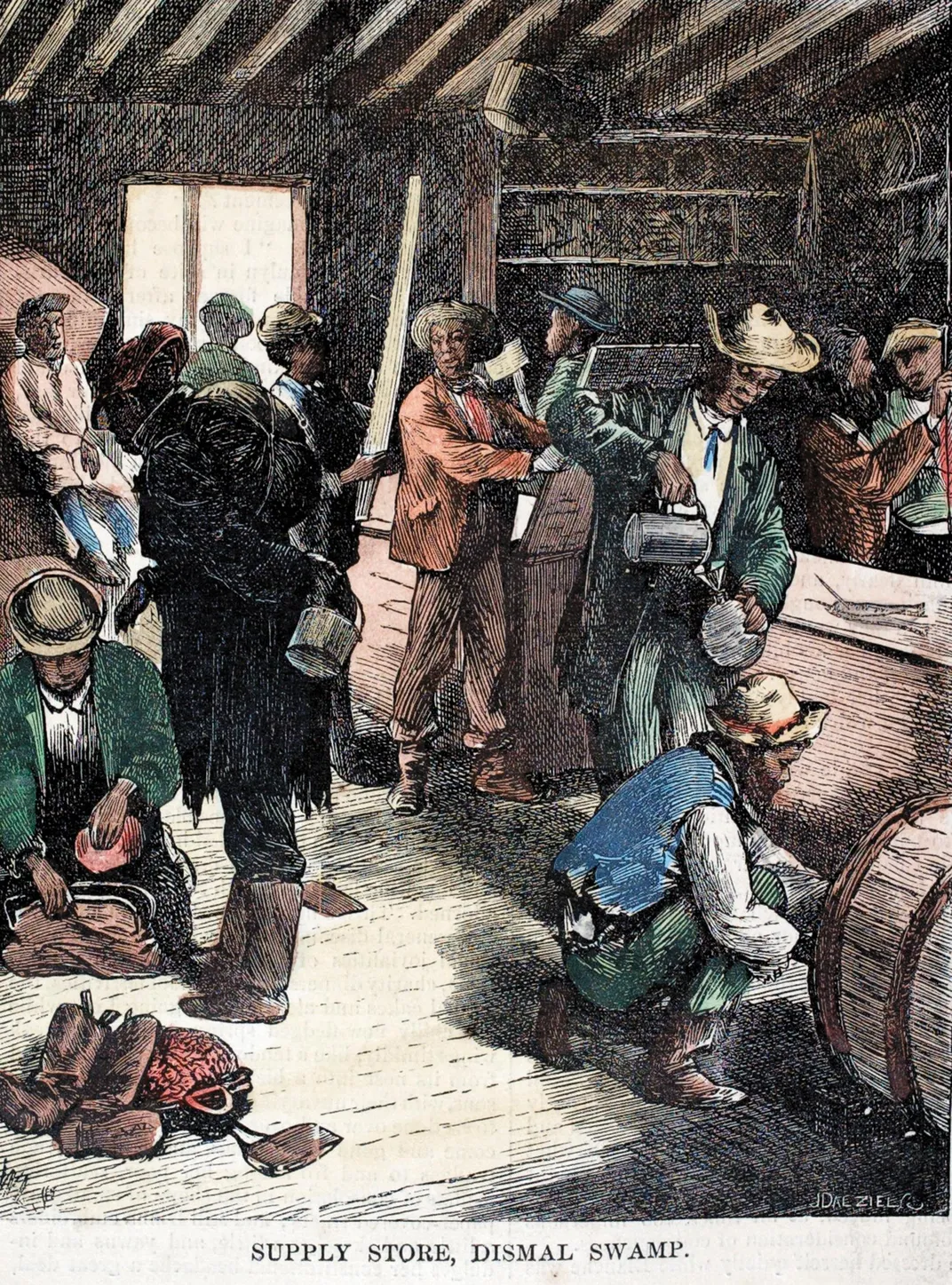
Charlie was speaking of his time cutting shingles with Maroon and enslaved men. These communities were unique as the slaves were more like hired men with almost no oversight. As long as they reported back to an overseer in a main camp or town with an agreed amount of work done, they were given a wage and supplies such as pork and whiskey. Maroons cut with the enslaved and received a share of goods for their labor. Whites directly involved in the trade knew that Maroons assisted in the work. But turned a blind eye as profits were being made.
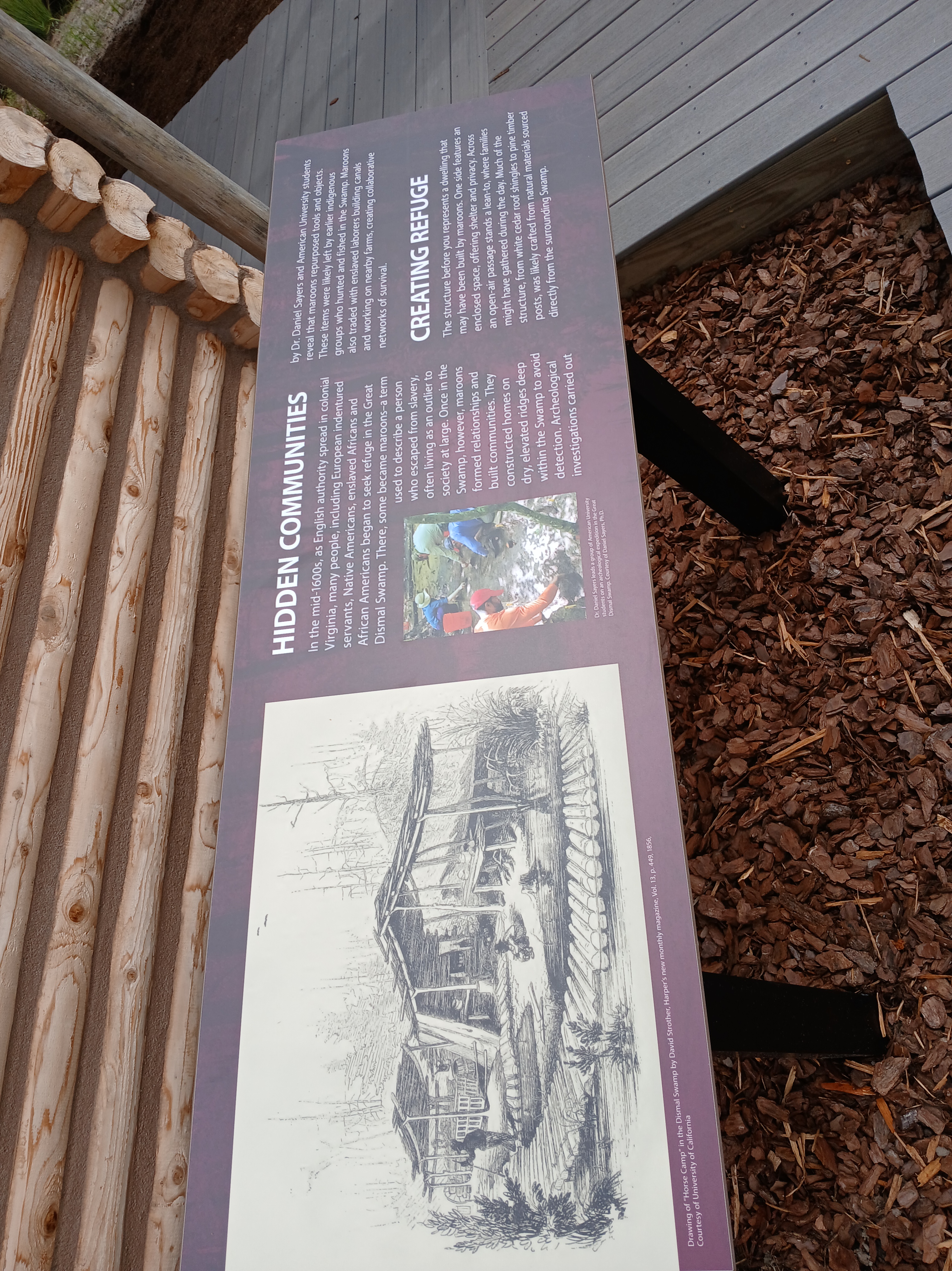
The level of cooperation was above and beyond a “looking out for number one” individualism. Unity produced peace and prosperity for all. Even class differences disappeared as the enslaved (in most cases) didn’t betray the trust of their Maroon brothers nor did the absconded ignore the plight of the bondmen. It is said that a rising tide lifts all boats. The shingle cutters put this ideal into action. (Even before these operations, the Nansemond and other Native People welcomed and taught self absconded Africans and outcast Europeans how to live in the swamp).
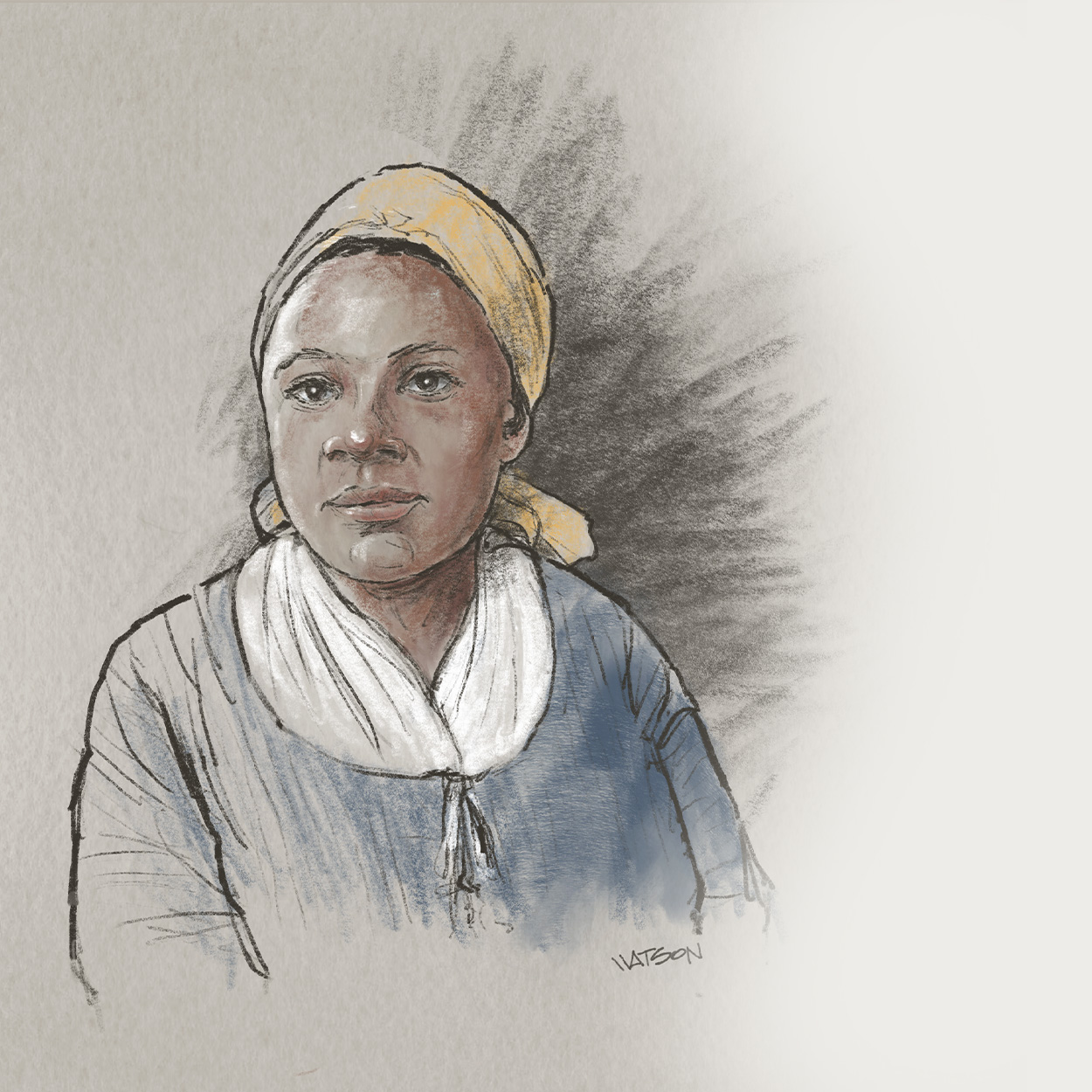
Maroon communities had spiritual leaders in their ranks. In the Historical Village at the Dismal Swamp in Chesapeake, it is noted that Mary Perth (an enslaved woman in Norfolk who would also escape to Canada and Sierra Leone) evangelized to a congregation of Maroons that grew large enough for the Methodist to send a pastor to live among them. At the time, John and Charles Wesley were very much anti-slavery and the denomination won the trust of free and enslaved blacks of the time. Charlie didn’t name a branch of Christianity. But “Old Man Fisher was us boy’s preacher. He runned away and used to pray like in earnest… Oh, dey were nice prayers we used to have sometimes.” Also, the men and women who came there as a result of the 1730 Uprising were likely to have had a method of selecting leaders from within based on their Catholicism practiced in the Congo kingdoms and African spirituality (including other parts of West Africa).

Ascetic practices such as prayer rules, fasting, penance, and forms of worship are scattered at best and mostly lost and unknown. Two conclusions that can be drawn is that the Maroons were committed to one another’s well being and their spiritual leadership among them had to be trusted by the community. Without love among the people and faithful leadership, no brotherhood could survive. With these things, there is great promise.

And let us not grow weary while doing good, for in due season we shall reap if we do not lose heart. Galatians 6:13

