
One of the things that amazes me about the Great Dismal Swamp Maroons, (and leads me to believe the flight of the enslaved Africans to such a place after the 1730 Chesapeake Uprising was no accident of location), was how they were able to feed themselves. Obviously, they caught fish, hunted and trapped wild game, and foraged for edible plants. Getting produce from nearby plantations by hook and crook was common. Maroons who worked with the enslaved shingle cutters received whatever variety of food they asked for from these salary earning brothers.
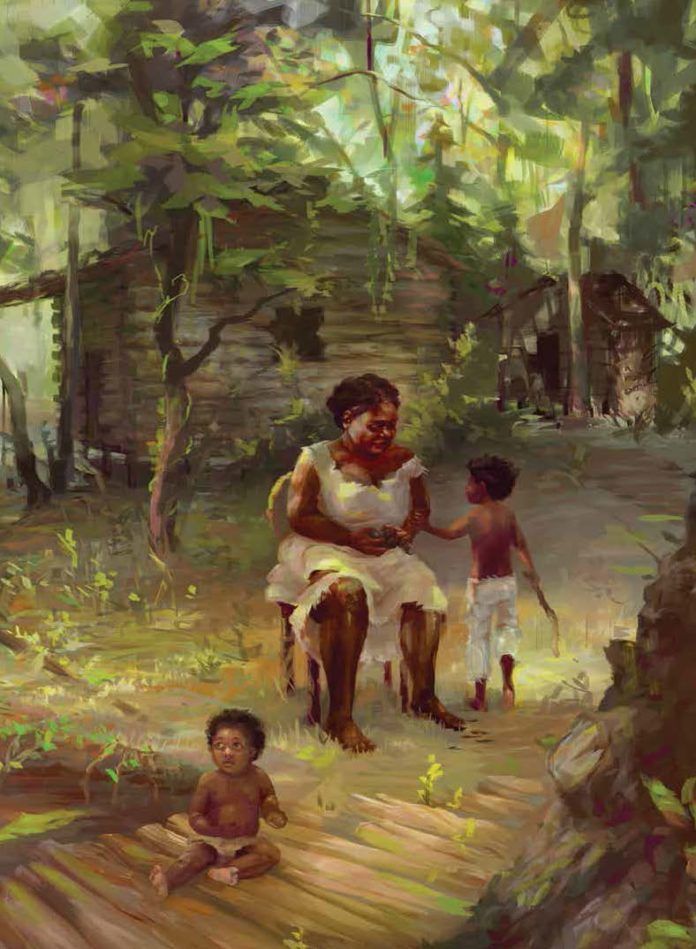
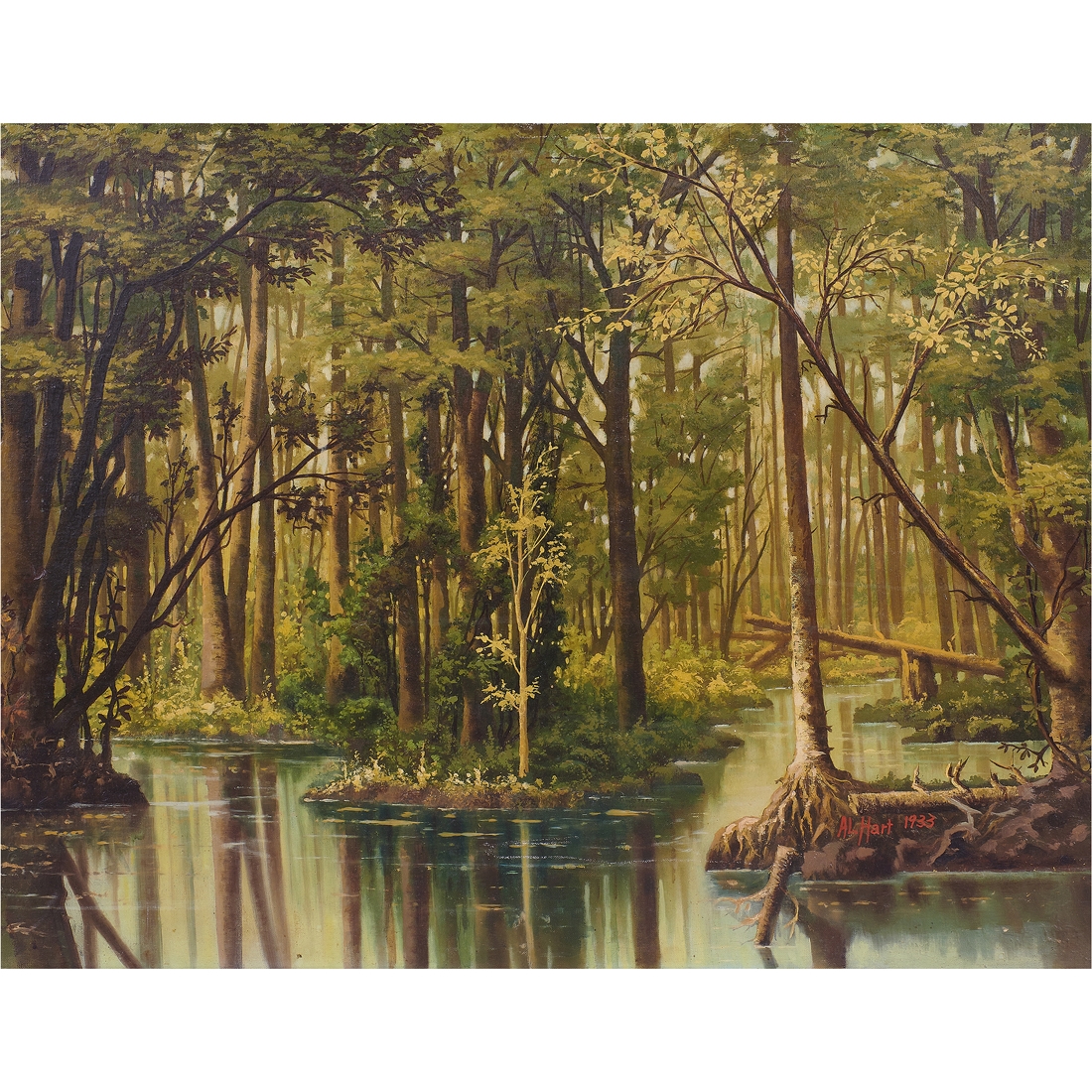
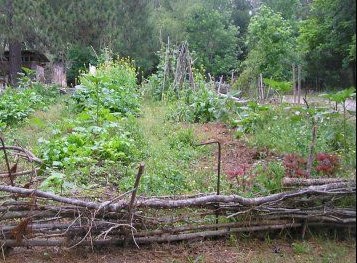
Yet, there was another source of food, mesic islands within the swamp. Within the bald cypress and water tupelo dominated wetland were patches of land that didn’t become waterlogged even during heavy rainfall. They ranged from one to 40 acres with some dry enough to sustain crops of potatoes. Maroons cleared and cultivated the land in their watery colony within the colonies adding to whatever they gained from other sources according to their level of life. Those of the interior relied more on their own efforts. The shingle cutters and fringe dwellers relied less on. But, finding a place to prepare ground to produce a harvest was very important to Maroon survival.
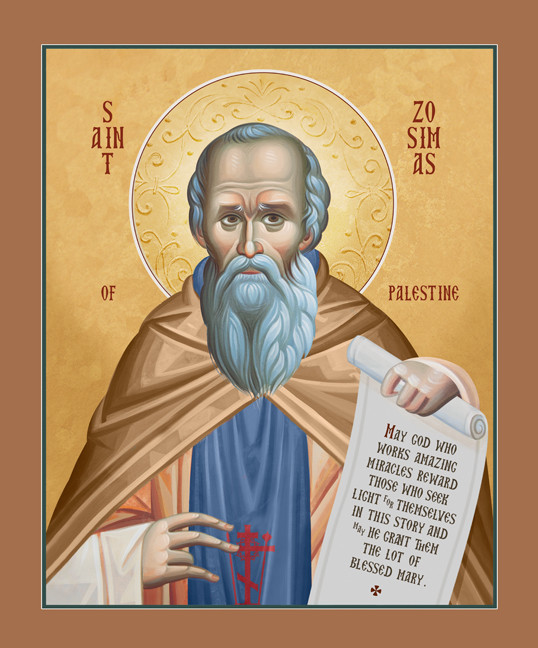
In the parable, Jesus teaches us to be of good soil that we can produce a harvest.* Abba Poemen taught a brother that it is better to plant and get a poor harvest than not to plant at all.** Cultivation is a key to getting the most out of the scriptures and lessons from the fathers. Reading the Reflections of Abba Zosimas,*** there are tools to break up clods of hard heartedness, remove noxious weeds, and maintain a proper amount of water that make soil productive in the Egyptian desert or a mesic island.
Speak Out of Experience and Truth
Live to Confirm Your Words
Examine Your Heart
Recognize and Repent of Error
Act in Genuine Humility
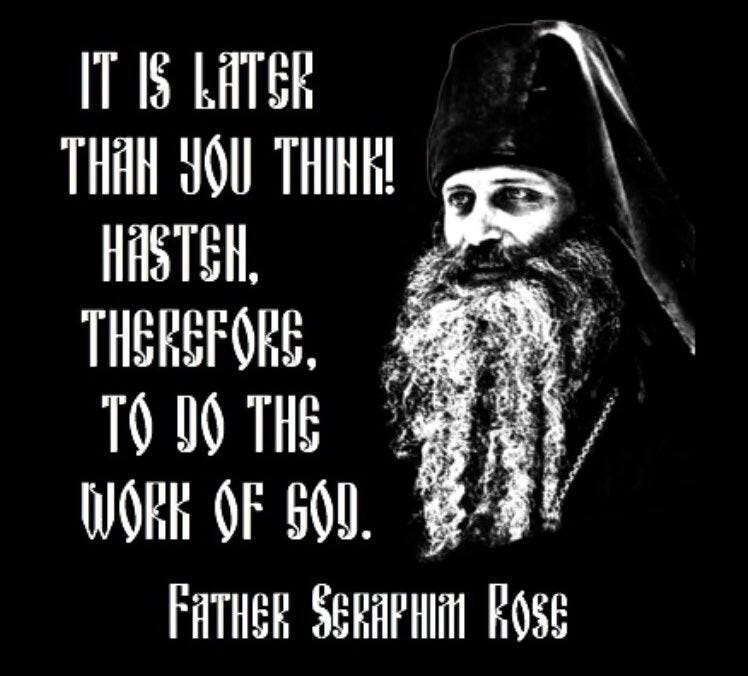
There probably weren’t seminary libraries in Deep Creek or South Mills. However, Maroons knew right from wrong. They carried lessons from Anglicanism, Congolese Christianity, traditional African and Native American religion and other faiths. It doesn’t take a scholar to do these things. What is necessary is the will to do them. We ought not make excuses for foul thought and behavior. Nor should we wait and see is convenient, expedient, or popular. If, “The time is fulfilled and the kingdom of God is at hand,”**** now is the time to live as such. As “Charlie” explained to Redpath, “Dey’s more ‘commodatin’ dan any folks I’s ever seed afore or since.”*****
*Matthew 13:1-9, 18-23
**Sayings of the Desert Fathers, Poemen #51
***Reflections, XIII f, XIV a-d (In the Heart of the Desert, pgs. 145-147)
****Mark 1:15
*****The Roving Editor, pg. 243

