
It’s sixth century Arabia and a Jewish ruler invaded a Christian village and it’s inhabitants killed because of their faith. Across the Red Sea, the Ethiopian King Elesbaan sought to avenge the lives of his brothers and sisters of the faith by conquering the invaders. He went through a series of initial defeats in battle. Seeking God for the reason for the failures, the king realized that vengence belonged to the Lord, not man. Elesban humbled himself and promised that if he were victorious over the enemy, he would leave the throne and become a monk. In the next battle, the Ethiopians were victorious. Keeping his word, Elesbaan left the imperial court spending the rest of his life as a well respected miracle working monk.

Fast foraward to 1802 in the north-eastern North Carolina corner of the Great Dismal Swamp. A Maroon, Tom Copper (the possible son of a self absconded woman enslaved in Virginia) was infuriated with the chattle slavery imposed on his bretheren of the African diaspora. This human bondage continued after the colonies won their independence from England to become a nation based on freedom and liberty. He gathered a few followers deep in the Swamp and plotted an armed uprising against the enslavers on Easter of that year. Alerted by another Maroon, Tom was arrested and jailed in Elizabeth City, NC. While awaiting trial, he was rescued and disappeared into the Great Dismal never to be heard from again.

I believe parallels can be drawn between the Ethiopian king and Maroon freedom fighter. First, they both made the error of seeking vengance. Elesbaan had the men and weapons to fight. Copper had the advantage of a formidable landscape. But the desire for revenge is not a good reason to use violence. Vengance belongs to God alone and unless He wishes to use us as violent instruments against oppressors, we will fail no matter how prepared we may be. Submission to God’s will is far more important than settling scores with men. Elesbaan overcame the enemy only when he submitted to this. The Maroons, who’s very existence was already defeating the white supremacist states surrounding them, fought alongside the Union Army in the Civil War.
The Ethiopian and Maroon didn’t return to positions of rank. Elesbaan went from having anything he wanted at the snap of a finger to a very austere life. Tom had noteriety as a leader, establishing an armed camp in the Great Dismal. After escaping from jail, he wasn’t heard of again by the state authorities nor spoken of among the Maroons. God’s will goes beyond human expectations. People in Judea expected a Messiah to restore the Davidic kingdom and expell the Romans. Instead, Jesus was crucified and resurrected.

It’s easy to note that Elesbaan was an Orthodox Christian honored by both the Eastern and Oriental Churches. The first icon I’ve seen of him was from a Russian Orthodox parish in Michigan. He was a friend to Emperor Justinian’s Byzantium and ruled an African land that still maintains a Christian presence to this day. King Elesbaan is a saint of our Church.

There is no record of what Tom Copper’s religious beliefs were. Most likely he was exposed to Wesleyan Christianity through the African Methodist Episcopailians who had established a parish in 1775 in Portsmouth VA. John & Charles Wesley were outspoken opponents of slavery and declared the humanity and dignity of the Africans who were being enslaved. This faith was preached by Mary Perth, an enslaved woman who would find freedom and return to Africa after the American Revolution. An Irishman, Robert Williams, also preached among the Maroons at that time. The AME evangelized throughout the Great Dismal Swamp through the canals and secluded pathways. Methodist, including some whites, were active in the Underground Railroad. Several AME/AME Zion parishes were organized immediately after the Civil War. Tidewater VA & Northeastern NC has the largest number of these denominations of any area of either state.
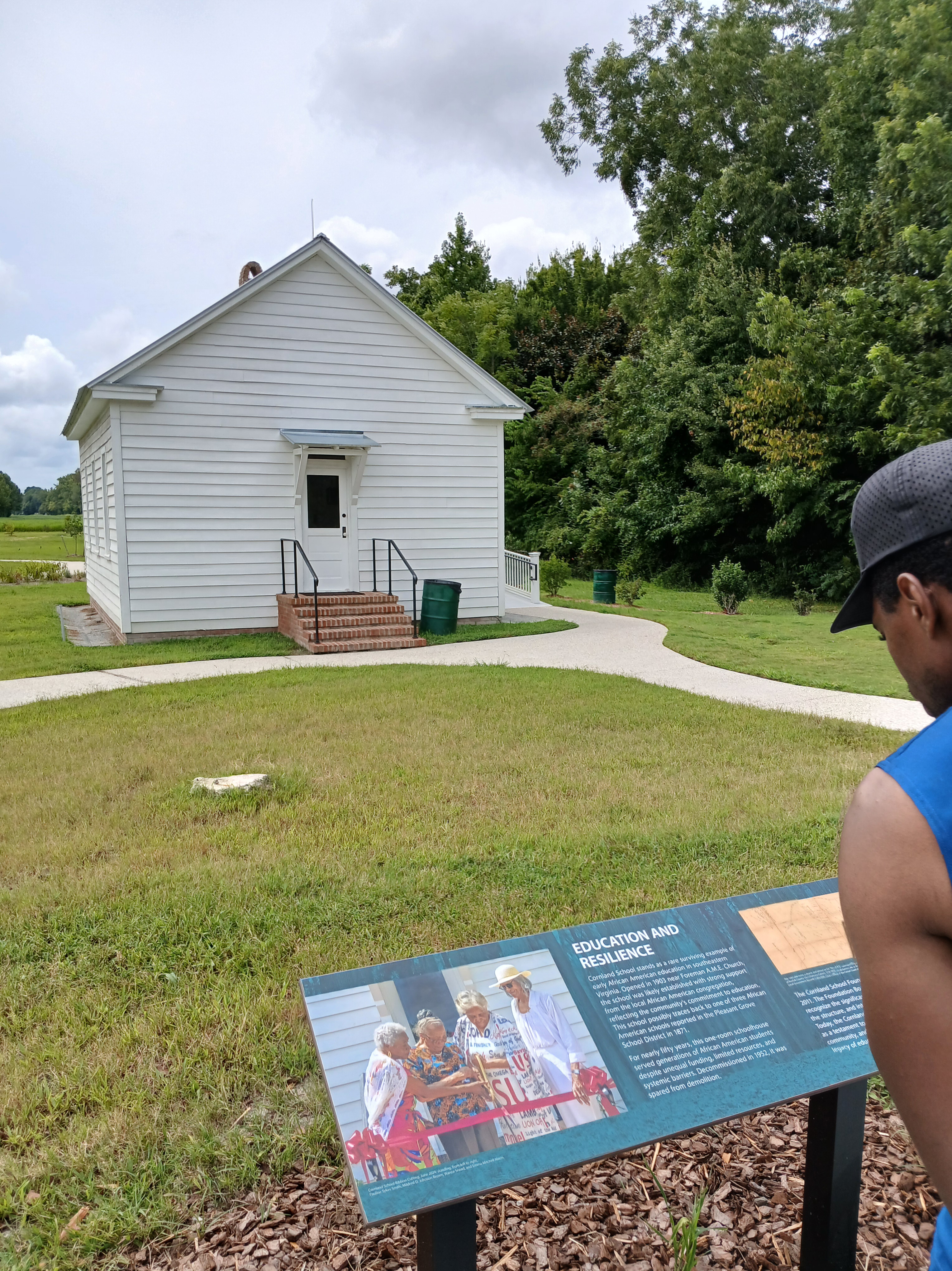
As well, Tom Copper may have also been exposed to the Congolese Christianity that was practiced among the wave of enslaved that became Maroons as of the 1730 Chesapeake Uprising. This faith was a mixture of Roman Catholicism and central African religious beliefs. Elements of west African and Native American spirituality may have also influenced his faith.
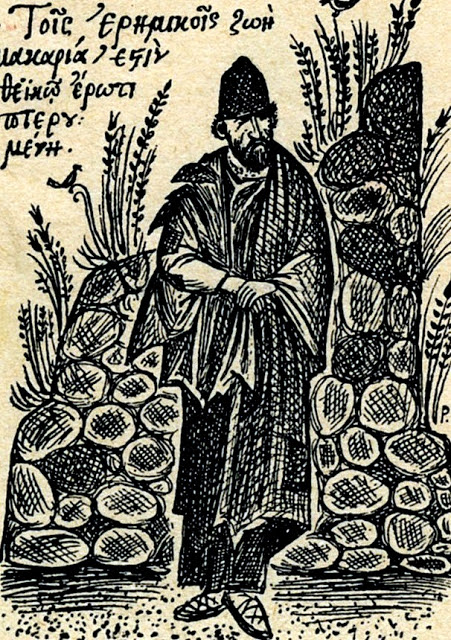
A true rebellion happens when we search for God within ourselves and not in the expectations of others. Tom Copper’s disappearance was something beyond enslaver’s fears and enslaved hopes. He is no longer an external hero or villan, but a man exposed to God’s presence. It is in this exposure that repentance becomes meaningful, healing becomes possible, and restoration for our calling is evident. Our Lord woke up early in the morning to pray in lonely places, sent multitudes away so that He could pray alone in the mountains. Anthony the Great and countless others were so inspired to be continuously in God’s presence that they became monks and nuns. Those whom they inspired took their times of prayer with greater commitment.
Lord, let my faith go beyond worldly expectations. May I experience total and true freedom in your presence and lead others likewise according to your will.

