
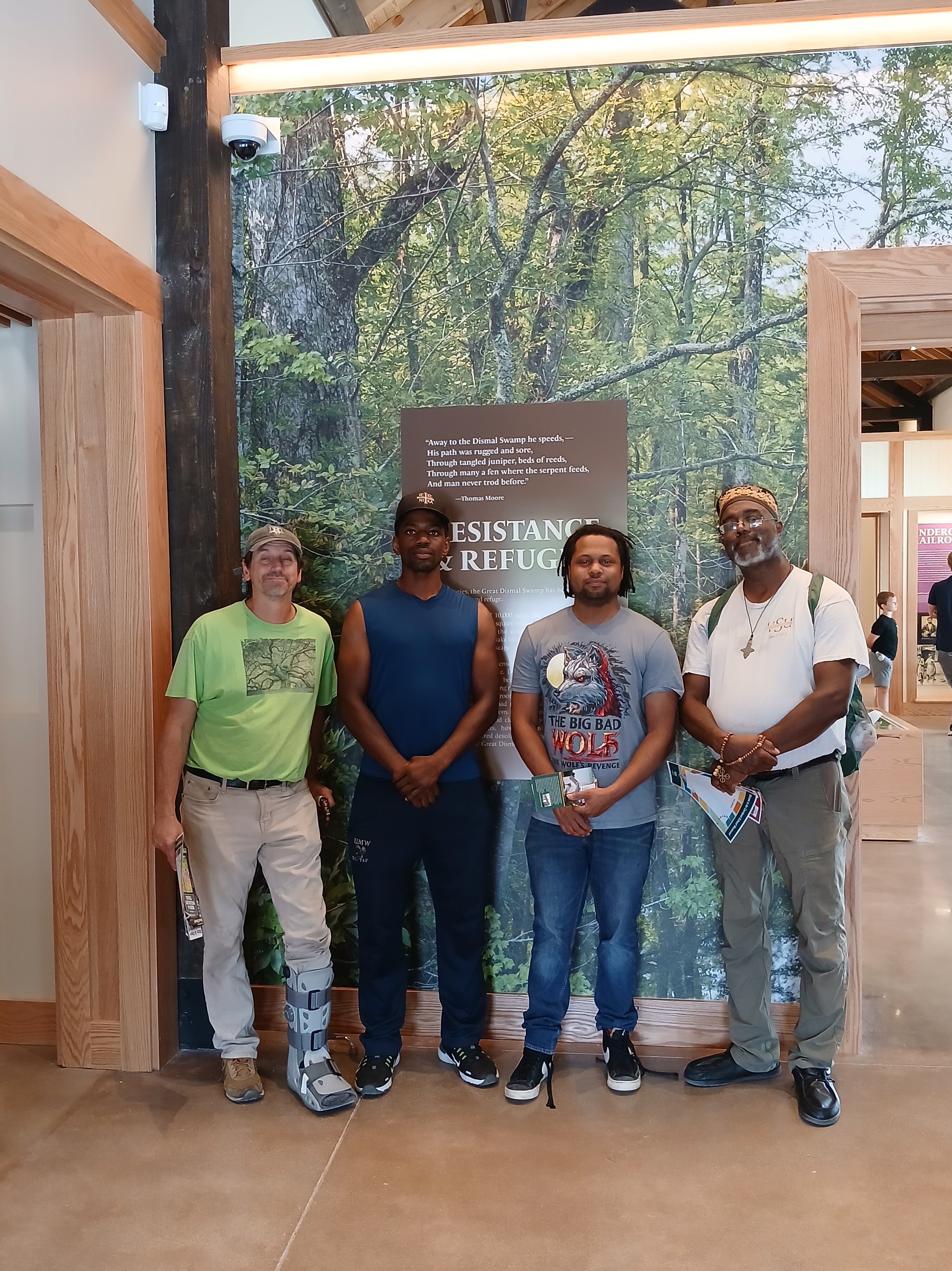
I was blessed to be with three of my brothers of St. Basil the Great Orthodox Church on a journey to the Great Dismal Swamp. The City of Chesapeake had recently opened the Historical Village Park on Glencoe Road between Rt. 17 and the Dismal Swamp Canal Trail. The main museum building was filled with good quality interpretive displays. The Cornland School, a segregated one room school house was renovated and had static and interactive displays with a few of the school’s alumni telling stories of the past. The walking path has a Maroon dwelling that was quite interesting and functional in it’s design. As well, there is a memorial of the Underground Railroad. One of the old canal toll houses was nearby, though guests aren’t allowed to enter the building. The staff was welcoming and there were other visitors coming directly to the park and others dropped in from riding the trail. It wasn’t very hot, no mosquitoes or snakes. I hope my next Saturday off from work will be as pleasant.
A pleasant day in a swamp? Imagine a life there in the 1600’s until the end of the Civil War. The Nansemond and other Native American people made a home in the place where “gentlemen” colonist considered to be dismal. With the arrival of the English plantation system and it’s abuses, a few brave enslaved and indentured (African and European) escaped there. The major influx of arrivals came in late 1730 as the Chesapeake Uprising was suppressed by colonial militias and tributary Natives. The establishment and existence of the Great Dismal Swamp Maroons was not simply the result of cowering and fearful runaways. I believe it was God that brought these men and women here.
There were plans for an uprising in James City and Surry Counties on Easter of 1710. Not only were the plans compromised by an informing slave, but there was no place for the absconding men and women to go. Indeed, a handful of Senegambians fled Williamsburg on arrival to hide in the Chickahominy River swamps which weren’t far from the colonial capital. Threats of violence against planters was a main cause for greater reliance on slave patrols. By the 1720’s even non-enslaving white farmers and tradesmen widely accepted the idea of racial supremacy believing that if Africans were freed, they wouldn’t be able to function on their own.
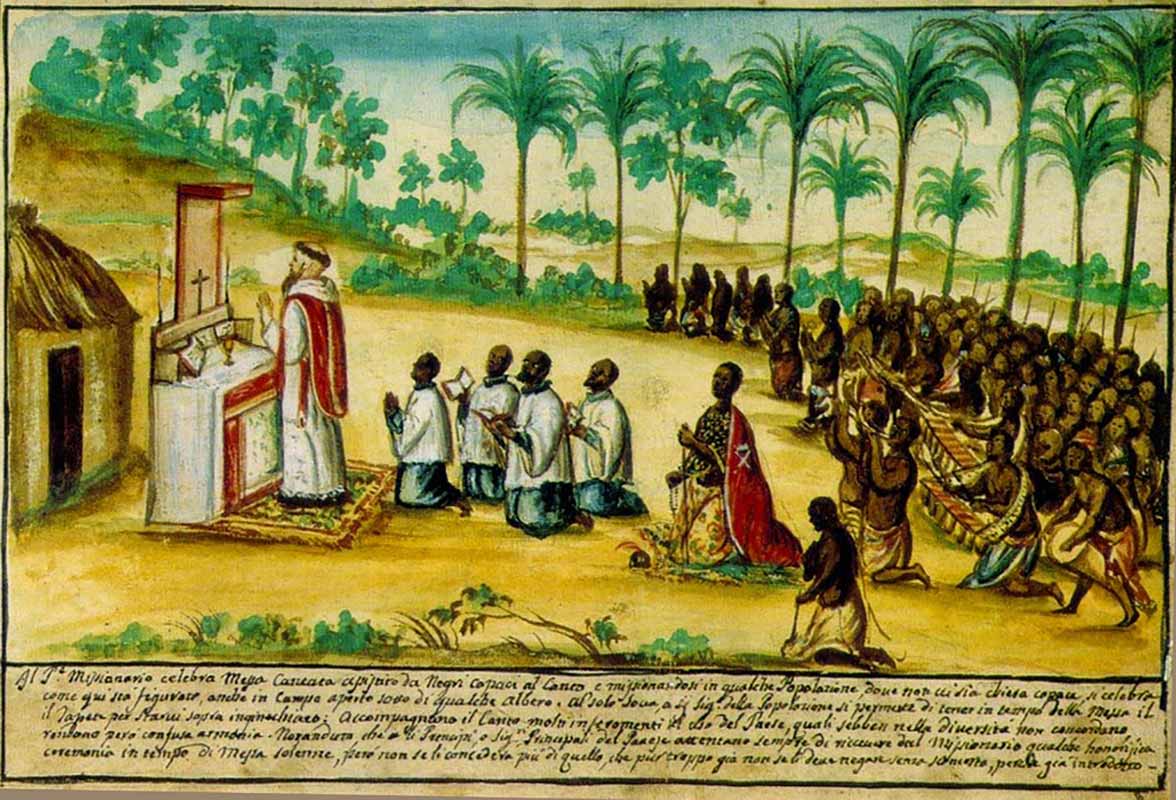
In 1729-30, the rumor was spread that the Royal Governor of Virginia was to return to Williamsburg with a declaration that all Christianized slaves were to be freed from bondage. The Africans in Virginia had been well versed in Anglican religious and social structure. Those from the Kongo kingdoms had already been exposed to and practiced Catholicism while still holding on to some native beliefs. They secretly organized and selected leaders to demand the king’s proclamation be proclaimed and acted upon. The enslaved were ready to govern themselves if the rumor proved to be true.
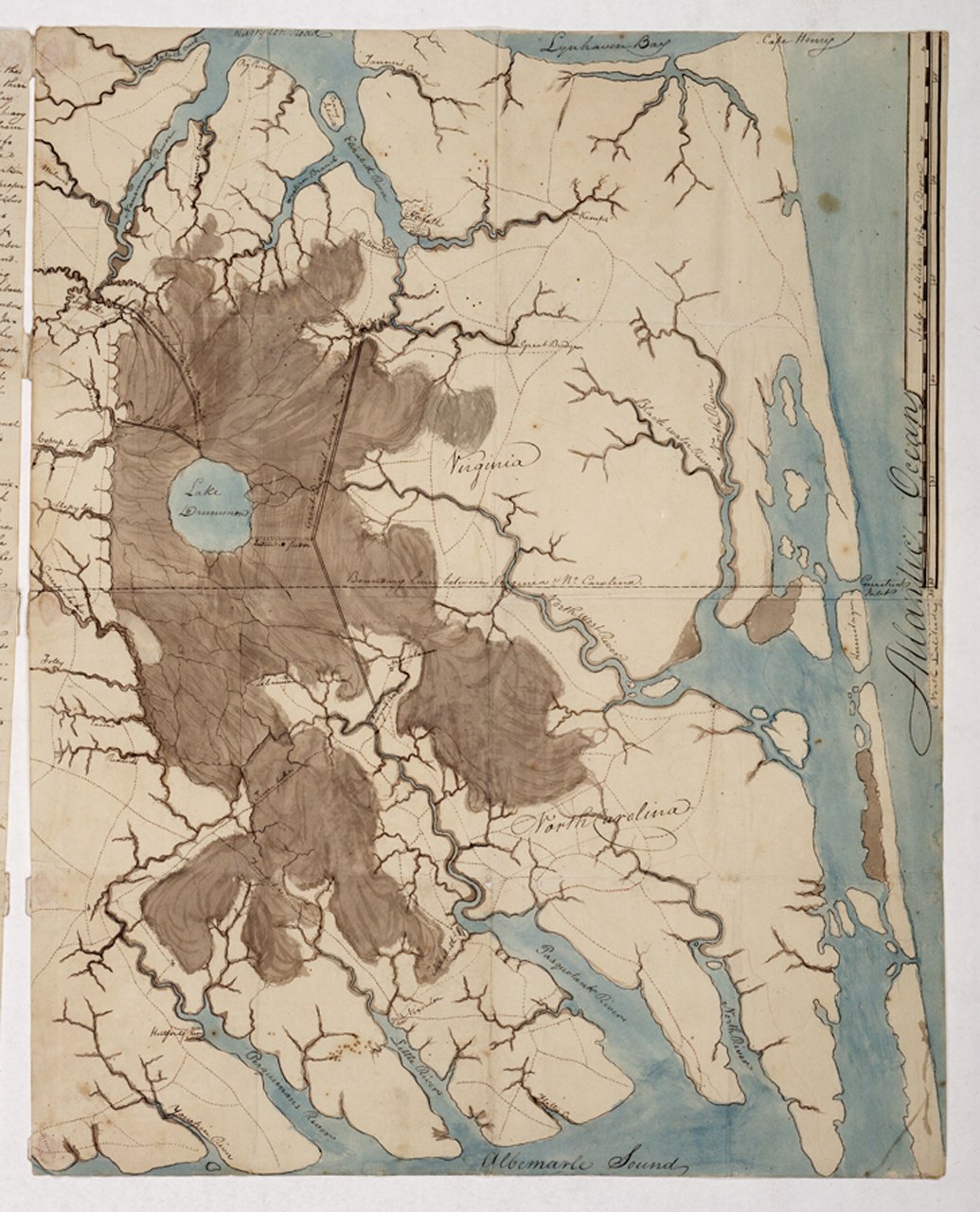
The difference between 1710 and 1730 was that there was a place to flee to for those in Norfolk and Princess Anne now the Cities of Chesapeake and Virginia Beach) Counties. Rumors were also spread about the large nearby swamp had islands that stayed dry all year long and the land could be cleared to grow crops and gardens. Fish could be caught as well as an occasional lost cow or pig. A huge lake, a window to the Congolese ancestral world, lie in the middle of it. Despite the dangerous beast, reptiles, and misery causing insects, this swamp was a place that could be a refuge. Just as God provided Isaac with a place where he and his people would not be bothered, perhaps what the enslavers called “dismal,” they could find refuge.
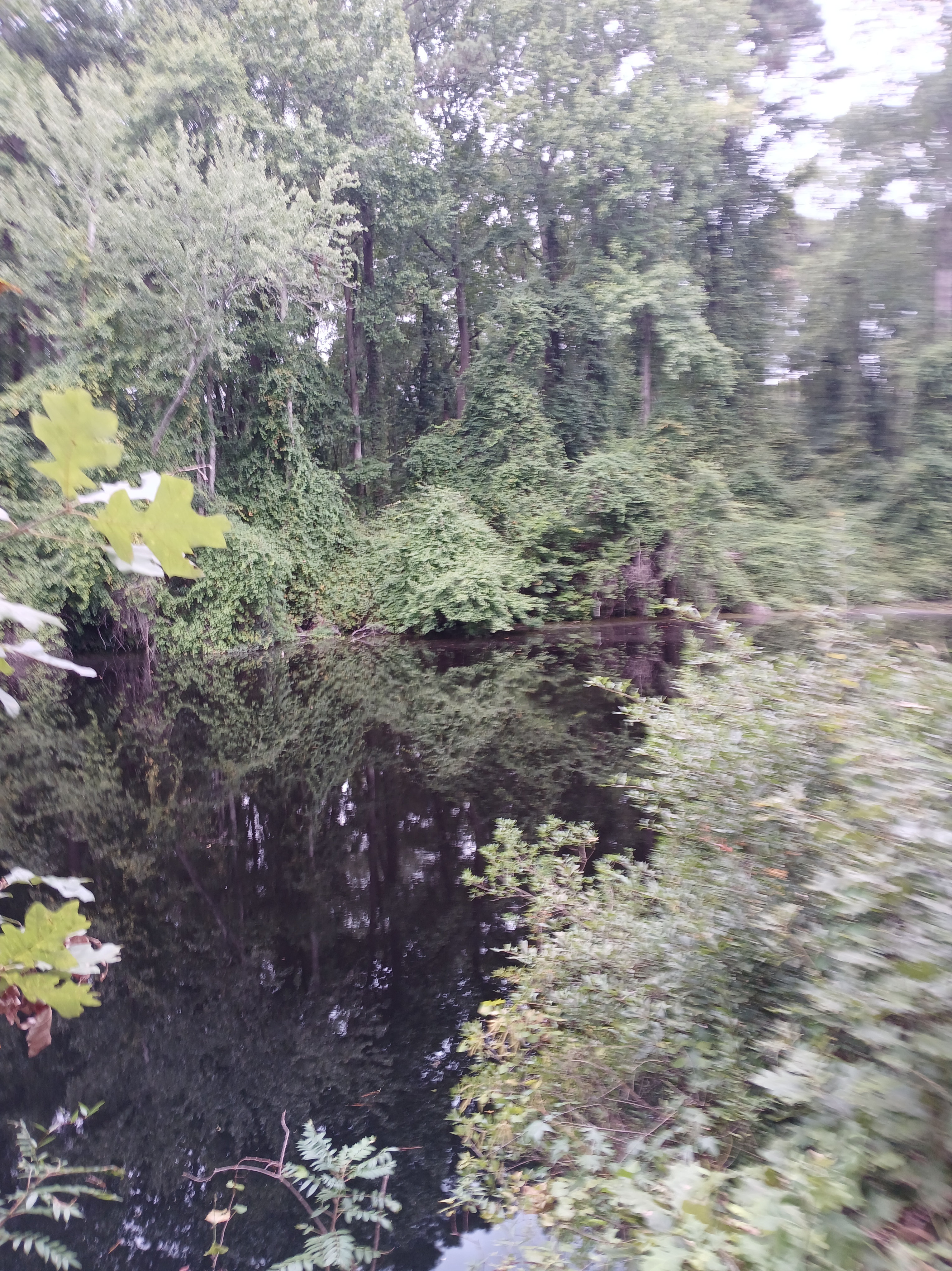
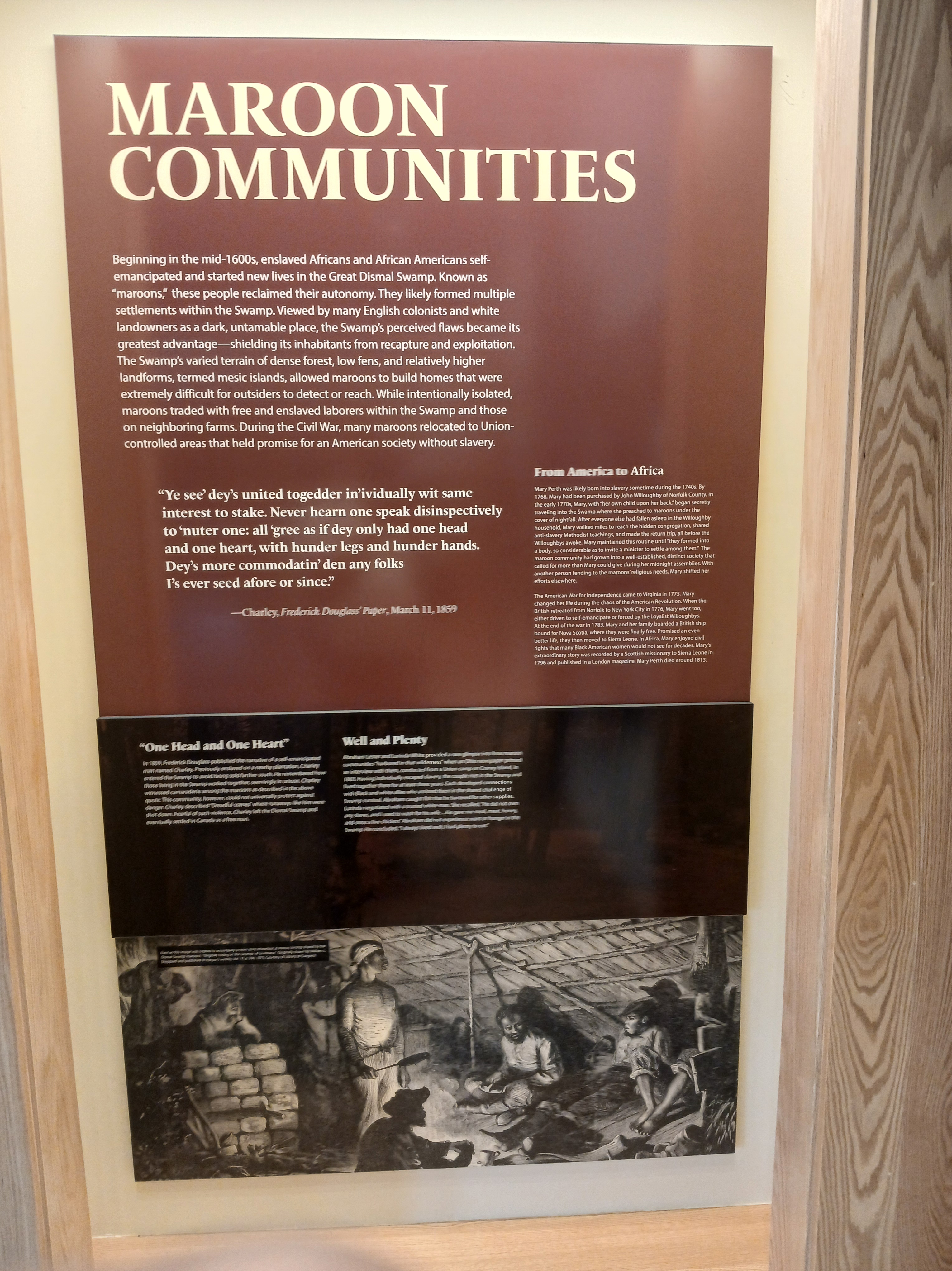
Militias from North Carolina and Virginia organized raids to capture the Maroons only to fail in the harsh terrain. With the exception of raids to steal from nearby plantations, the Dismal Swamp Maroons were unable to mount large scale revolts to overthrow slavery in any county or town. What weapons they had were more for self-defense, perhaps hunting. Natives blended with them. White overseers knew Maroon societies existed and did nothing to oppose them as profits were made, even for the enslaved shingle cutters and canal boat captains. Slave patrollers dared not to enter too deep in the swamp even though runaways were being aided through the Underground Railroad.

Far from “Dismal,” the great swamp had societies of freedom within colonies and states of enslavement. Violence was not an overriding force for or against them. From the Natives with a handful of fugitives to a number of camps and settlements, this land was not granted as a city of refuge by an earthy authority. Only the King of Kings and Lord of Lords could create and make such a place possible.
“Let us imitate our Fathers: they lived in this place with much austerity and peace.” John the Eunuch, Sayings of the Desert Fathers
 Desert Fathers Dispatch