
It is easy to think of the bold men who became Maroons in the Great Dismal Swamp. Being an enslaved man forced to help dig the canals was one of the most brutal task of the colonial era. Deep, hard tree roots had to be cut through. Briar patches were everywhere. At least three types of venomous snakes and swarms of bitting insects made the hard work even more miserable. Furthermore, if an overseer felt a worker was slacking, being whipped in the stifling humidity and left as a feast for pest was absolutely horrible. It is no wonder that an enslaved man would self-abscond choosing to dwell in the Great Dismal. Bondage there to that sort of terrible work was even worse.

We should not forget that many women also fled the horrors of enslavement preferring freedom in the hazardous swamp. A woman in bondage was an object of a master’s and overseer’s sexual desire to be raped on a whim. Traditionally, if a child were produced by such a union, it was to be raised up in the status of the free father. By the passing of the Laws Concerning Slaves and Servants in 1705, these offspring were designated with their mother’s position. During the Antebellum period, enslaved women were forced to breed with male slaves to produce children to be sold further south for a profit. Girls and women who wanted to maintain their virtue had it taken away even by men who proclaimed Christ. Many women sought freedom among actual snakes than bondage by the two-legged variety. There were groups of women living in the swamp among themselves. Some had husbands who remained on the plantations.
Relationships between male and female Maroons had to be different than the world around them. A woman, Lucy, was reported missing from Taskinas Plantation near Williamsburg and said to have been seen lurking around the Norfolk area with a white man. We can suspect that she lived on the fringe of the marsh and her companion may have been considered among the white trash, very poor whites who owned little or nothing. Mulattoes were not unheard of in the swamp as even William Byrd saw some as he surveyed the land between Virginia and North Carolina.
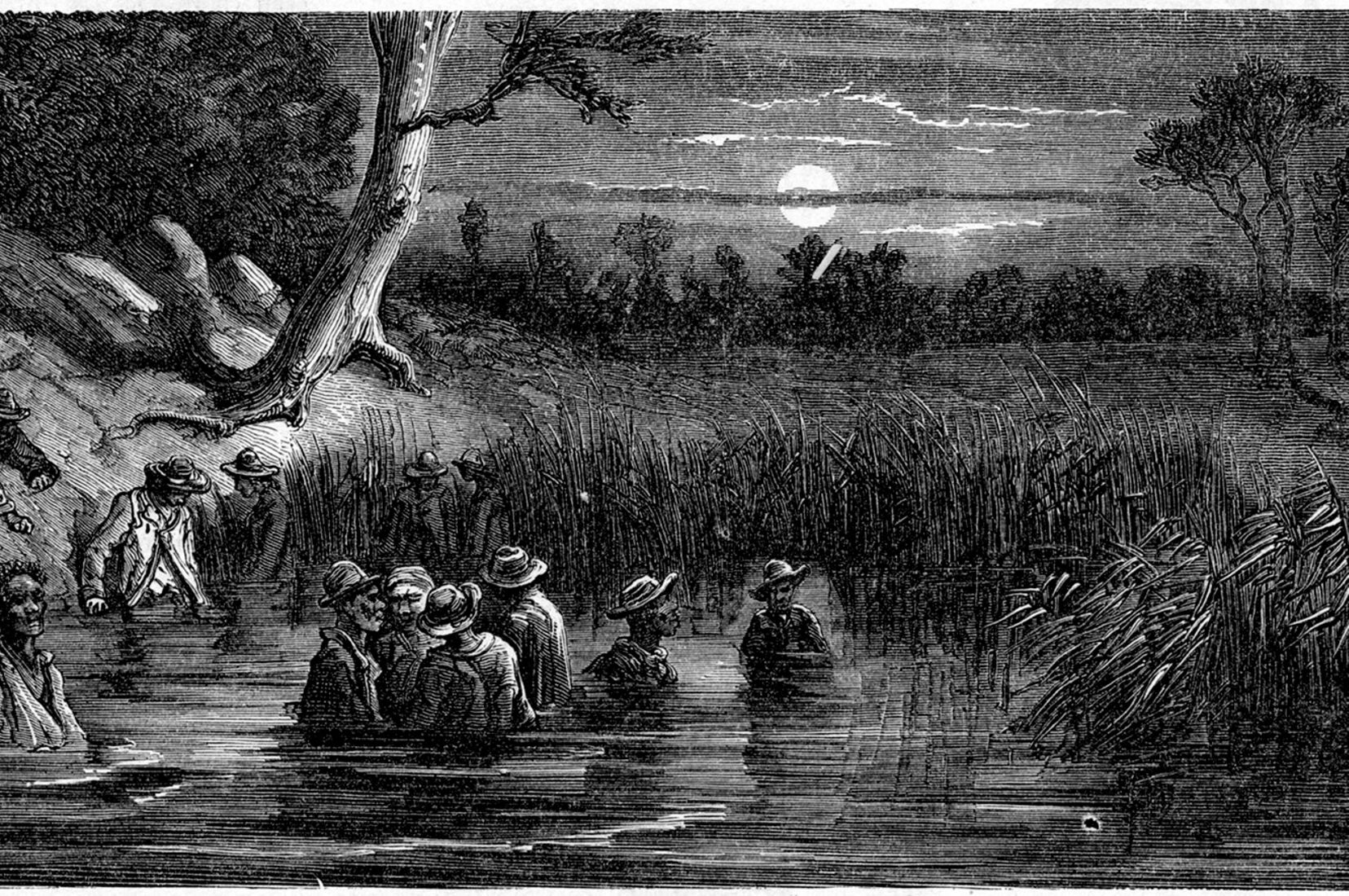
Whatever the racial composition, the relationships had to be more meaningful than sexual desire. The desire to marry and raise children had to be tempered with the harsh conditions they lived in, possibility of being captured or killed by slave patrollers, and the spiritual connections they shared (I’ll write more on this topic soon). There was no room for making an unwed mother as the man was expected to be responsible and a partner to his wife. As Maroon communities were based on trust, adultery could not be tolerated either.
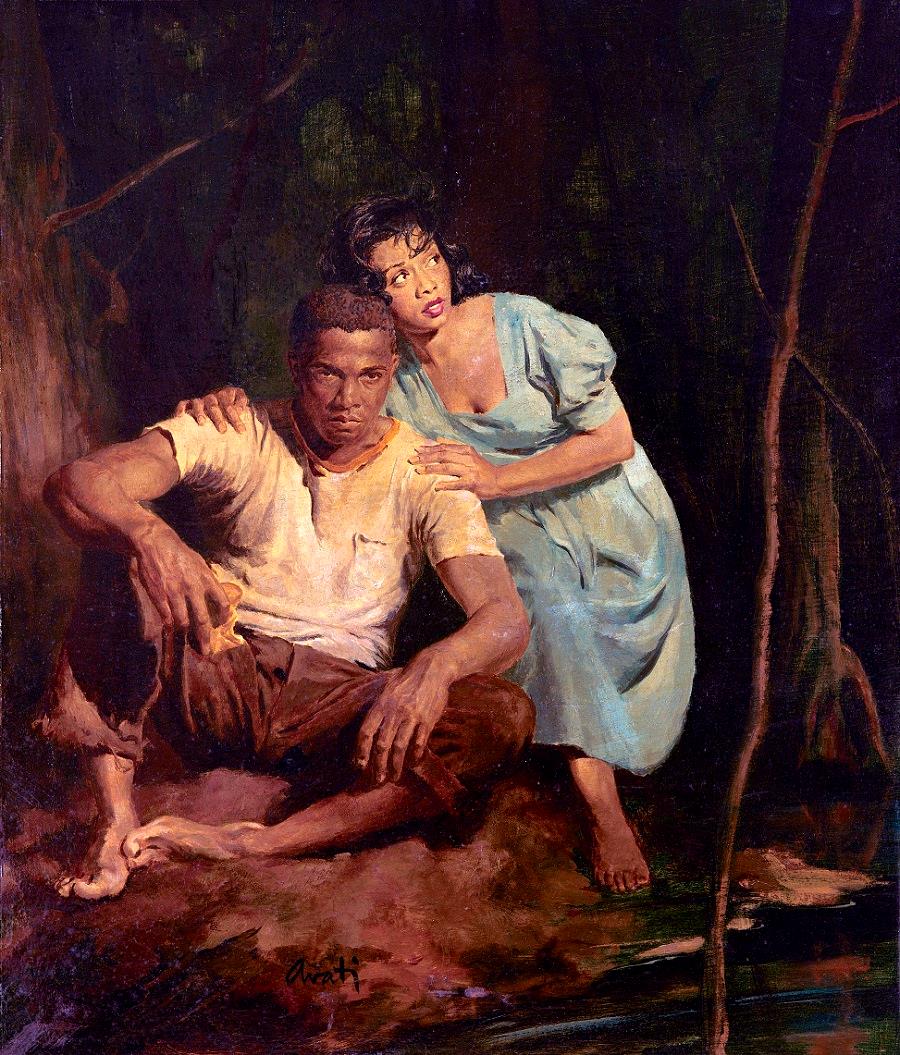
Maroons knew the Christian faith through the Catholicism they accepted in the Kongo kingdoms and Anglicanism of Virginia. As well, they were aware of their ancestor’s presence in the swamp waters and thickets that allowed them to live as free men and women. These helped them form the relationships that were the antithesis of the vulgarities of the sexual standards of the colonial world.
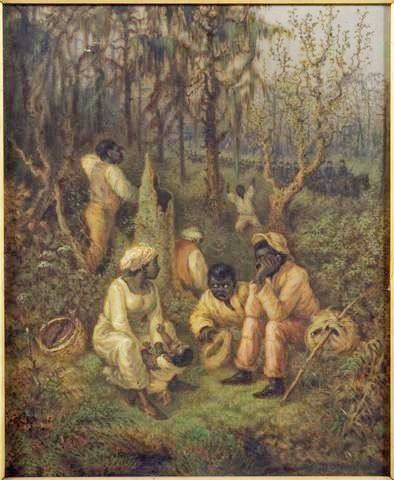
In our world of distorted desires, the Maroons give us a great example of how we can conduct our lives. We can choose whether or not to pursue falling in love. Men and women can commit themselves to the world to come renouncing marriage, sex, and family life. Or we can choose soul mates with great caution and thought before committing our bodies to one another. Either way, expect challenges and difficulties. Also, savor the beauty and joy that this world can’t give nor take away.

