
“Go therefore and make disciples of all nations …” Matthew 28:19
This was the great commission Jesus Christ gave to the eleven disciples after His resurrection. Likewise, the 120 men and women followers who received the gift of languages in the upper room on Pentecost (Acts 1:15, 2:1-4), in particular the 70 (Luke 10:1) obeyed the Lord’s command and went to various places of and known by the Greco-Roman world. Well known stories in Acts include Philipp’s baptizing of the Ethiopian Eunuch (8:26-39), Saul’s conversion where there is already a community of believers in Damascus, Syria (9:1-23) and his (as Paul) vision of the Macedonian (16:1-10). These and other stories in Luke’s biblical history of the early church teaches us that the gospel reached Africa, Asia and Europe immediately after the Resurrection about the same time. Acts was written between 75-85 AD and other histories were being collected and handed down to later Christian writers. All of them suggest that Christianity existed and was growing despite persecution in all three lands.
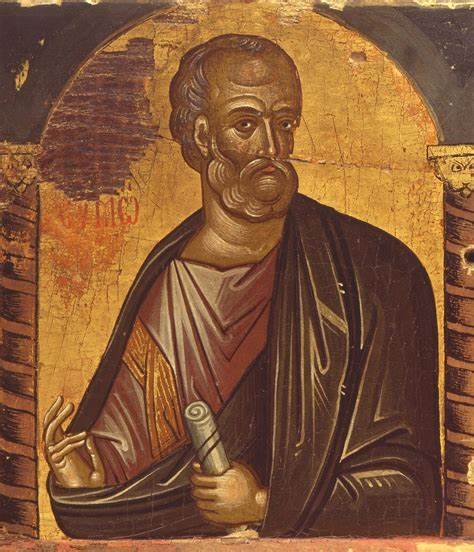
Simon the Zealot was not alone in his ability to evangelize to distant and different people. But he is known for having preached as far north as the British Isles, south as far as present day Mauretania and Western Sahara, and eastward in modern Iran. This is interesting to consider as this little mentioned disciple may have planted seeds of faith among the Celts, small Christian communities under the rule of Mansa Musa, and those who live in today’s Islamic Republic. Jesus Christ was universal in the first 1000 years of the faith and certainly in the first century. Blonde-haired Germanics could find themselves being thrown to the lions with black Nubians and brown Bedouins not because of their skin color before Constantine and serving the Divine Liturgy together afterwards. Christians were once known as the “third race,” not Greco-Roman pagans or Jews. Our Lord’s Gospel brought people together overcoming the division at the tower of Babel (Genesis 11:1-9) and all human curses (Gen. 10:20-27, Simon is called the Canaanite in some translations).
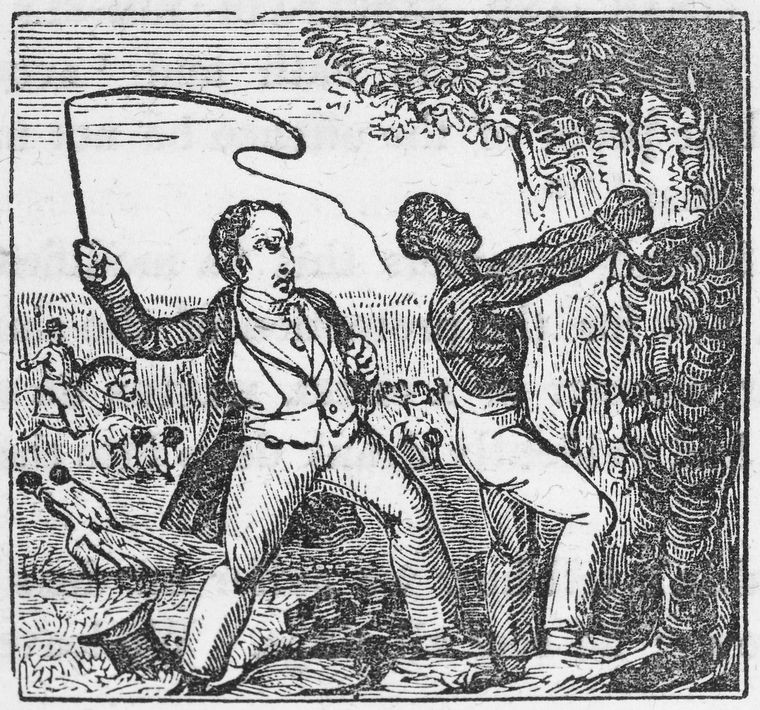
Unfortunately, later Catholic, Anglican and early Reformed European kingdoms were more interested in earthly wealth than the kingdom of heaven. They saw no need to teach enslaved and colonized Africans about their early Christian history. Furthermore, denominations formed in and after the Radical Reformation and Great Awakening movements saw no use in teaching even their own ancient origins of the faith. They believed that the true church apostatized and was hidden from the world until it was revealed by the founder of their particular sect. Thus, the idea was planted that Jesus and the biblical characters were white and no one else (not even Antiochians, Coptic Egyptians or Greeks) were truly saved unless they joined “their” church. A basic law of physics plays out is society, “For every action there is an equal and opposite reaction.” There is a popular belief (even among some whites) that Christianity came to Africa not alongside, but before Europe and that Jesus was not only not white, but that he and the ancient Jews were dark skinned blacks. The lack of teaching the ancient Christian history among all people has given rise to false teachings on all sides.
I think we Orthodox Christians must be careful to teach the truth. Christianity was in Carthage, Egypt, Ethiopia, Mauretania and Nubia long before any Evangelical denomination was invented (which is a major reason why I left a Baptist Pastorate in 2013). But the faith was brought to all humanity by the Lord’s apostles in the same first century. Orthodox Christianity is different from modern denominations and non-denominational churches, in part, because we’ve always embraced our historic line to Christ and the early Church. They arrogantly cut themselves off from the continuous line of the faithful. By all means, learn about the history and spirituality of the ancient African Churches. But look at the Antiochians, Greeks, Syriacs and others of the Near East as well. Even Celtic Christianity before the East-West Schism has universal roots that go back to the apostolic era. Early Russian monks were heavily inspired by the Desert Fathers. Let’s be careful to share the truth.
 Desert Fathers Dispatch